
What Is Data Catalog In Data Governance
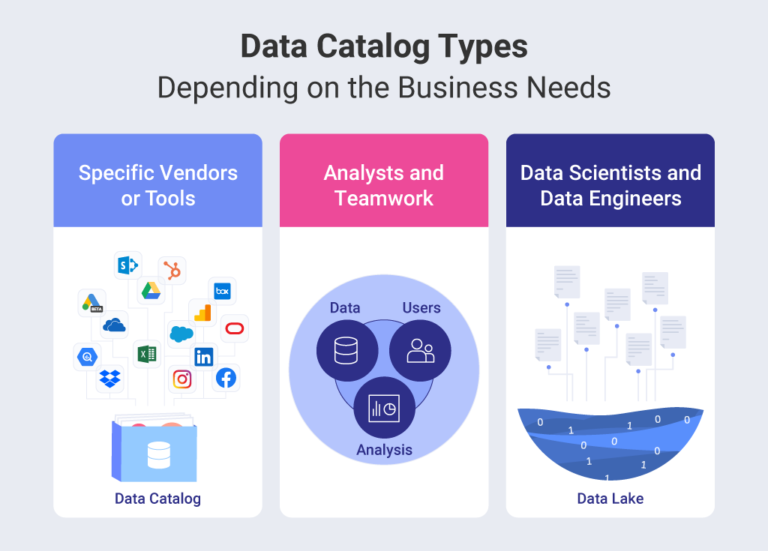
What Is Data Catalog In Data Governance - The lack of harmonized frameworks results in regulatory fragmentation, legal uncertainty, and missed opportunities for economic and social development. A modern data catalog is a tool used to organize, manage, and discover data assets within an organization. What is a data catalog? Use the following framework to assess capabilities: It also helps data professionals collect, organize, access, and enrich metadata. Data cataloging is creating and maintaining a centralized inventory of an organization’s data assets. A tool like select star provides visibility into your data assets. Let’s start with looking into what the data governance technology market can offer and what types of data catalogs exist. Organizations that invest in robust data governance software experience more efficient data management and a smoother integration of governance practices into daily operations. A data catalog is a central inventory of organizational data. It uses metadata to help organizations manage their data. Data stewardship involves the enforcement of these policies, procedures, and practices across the organization. A data governance strategy ensures your data is reliable, secure, and used effectively across your organization. A modern data catalog is a tool used to organize, manage, and discover data assets within an organization. A data catalog acts as a single source of truth that enables data producers and data consumers to find, manage, and control access to data across your company’s data estate. The lack of harmonized frameworks results in regulatory fragmentation, legal uncertainty, and missed opportunities for economic and social development. It provides a comprehensive view of all data assets in an organization, including databases, datasets, files, and data pipelines. Simply put, a data catalog is an organized inventory of data assets in the organization. A data catalog is a centralized repository or system that stores metadata and information about an organization’s data assets. A tool like select star provides visibility into your data assets. Implement a data catalog or governance platform. A data catalog is a central inventory of organizational data. Data catalogs communicate information about an organization’s data assets, and where they are located. Examples of capabilities offered by data governance platforms include: Let’s start with looking into what the data governance technology market can offer and what types of data catalogs exist. Data catalogs communicate information about an organization’s data assets, and where they are located. How to evaluate data access governance tools effectively for your unique use cases # the right data access governance tool should strike the right balance between security and usability. What is a data catalog? Data stewardship involves the enforcement of these policies, procedures, and practices across. It also helps data professionals collect, organize, access, and enrich metadata. How to evaluate data access governance tools effectively for your unique use cases # the right data access governance tool should strike the right balance between security and usability. Let’s delve into each concept in detail: A data catalog organizes and classifies the data to support governance and data. Data catalogs play a primary role in data governance, functioning as a deliverable and a tool to stimulate conversations and agreement around critical data entities and their relationships. Enterprise data governance ensures consistency and quality by establishing clear rules, processes, and technology frameworks, enabling better communication, higher revenue, and improved forecasting across large organizations. A data catalog is an organized. These tools help organizations manage data quality, ensure compliance, and streamline workflows. A modern data catalog is a tool used to organize, manage, and discover data assets within an organization. It provides a comprehensive view of all data assets in an organization, including databases, datasets, files, and data pipelines. A data catalog is a detailed inventory of all data assets. In this process, organizations get to a single source of truth, a repository with good data quality standards to find and retrieve information. This is where metadata, ownership, lineage, and usage insights come together. Data governance focuses on developing appropriate policies, procedures, and practices for managing data across organizations. A data catalog is defined as a system that indexes, centralizes. Let’s start with looking into what the data governance technology market can offer and what types of data catalogs exist. Let’s delve into each concept in detail: Simply put, a data catalog is an organized inventory of data assets in the organization. What is a data catalog? It provides a searchable inventory across multiple systems, helping users quickly locate, understand,. A data catalog acts as a single source of truth that enables data producers and data consumers to find, manage, and control access to data across your company’s data estate. Data catalogs is a centralized metadata repository that serves as an inventory of available data across the enterprise. Data governance tools are software solutions designed to support the implementation of. What is a data catalog? Data catalog uses metadata that will enable enterprises to well manage their data from time to time and it helps the data professionals or experts to collect, access, organize and enrich the concerned metadata which will support data governance. Data governance tools are software solutions designed to support the implementation of governance policies and processes.. Modern data governance refers to a framework of policies, processes, tools, and roles that ensure data is accessible, trustworthy, secure,. The purpose of a data catalog is to provide a comprehensive overview of the data available within an enterprise, making it easier for users to discover, understand, and access the data they need. Data governance focuses on developing appropriate policies,. A data catalog organizes and classifies the data to support governance and data discovery. Data governance, on the other hand, deals with the overall management of data, such as accuracy, usability, security, and. A modern data catalog is a tool used to organize, manage, and discover data assets within an organization. A data catalog is a centralized repository that serves as a comprehensive index of an organization's data assets. A data catalog is an organized collection of metadata that describes the content and structure of data sources. What is a data catalog? The tool you deploy should align with data governance best practices by offering functionalities such as data cataloging, quality monitoring, compliance tracking, and. It’s a central repository that stores metadata about data assets, such as data sources, data. In other words, data governance is the what and why of data management, while data stewardship is the. The purpose of a data catalog is to provide a comprehensive overview of the data available within an enterprise, making it easier for users to discover, understand, and access the data they need. Data catalog uses metadata that will enable enterprises to well manage their data from time to time and it helps the data professionals or experts to collect, access, organize and enrich the concerned metadata which will support data governance. Data governance focuses on developing appropriate policies, procedures, and practices for managing data across organizations. This is where metadata, ownership, lineage, and usage insights come together. It provides a searchable inventory across multiple systems, helping users quickly locate, understand, and analyze data. Let’s delve into each concept in detail: What is a data catalog?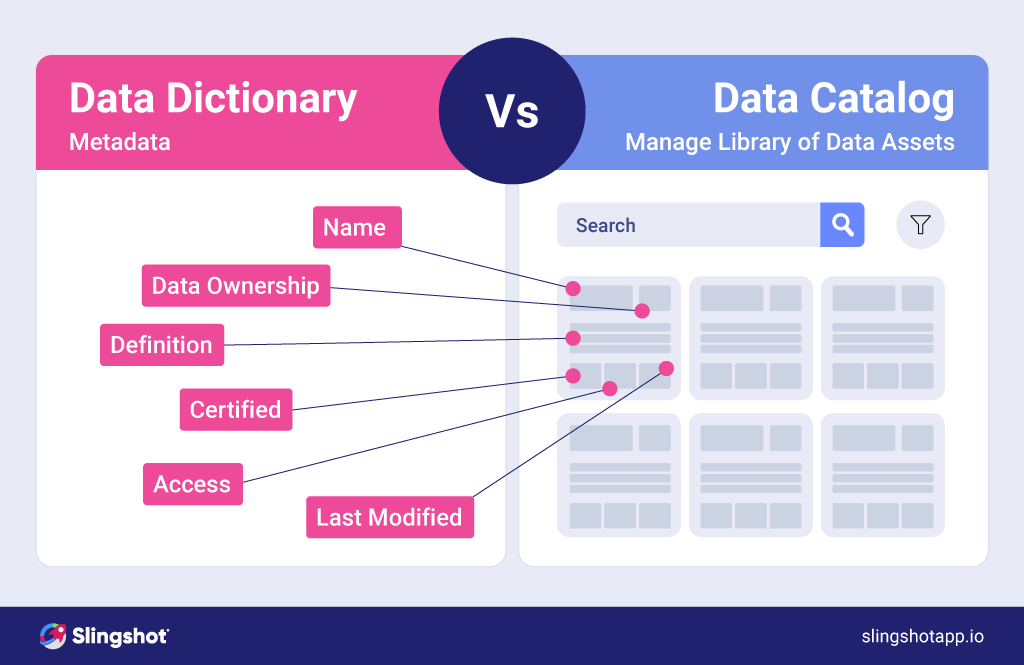
What Is A Data Catalog & Why Do You Need One?
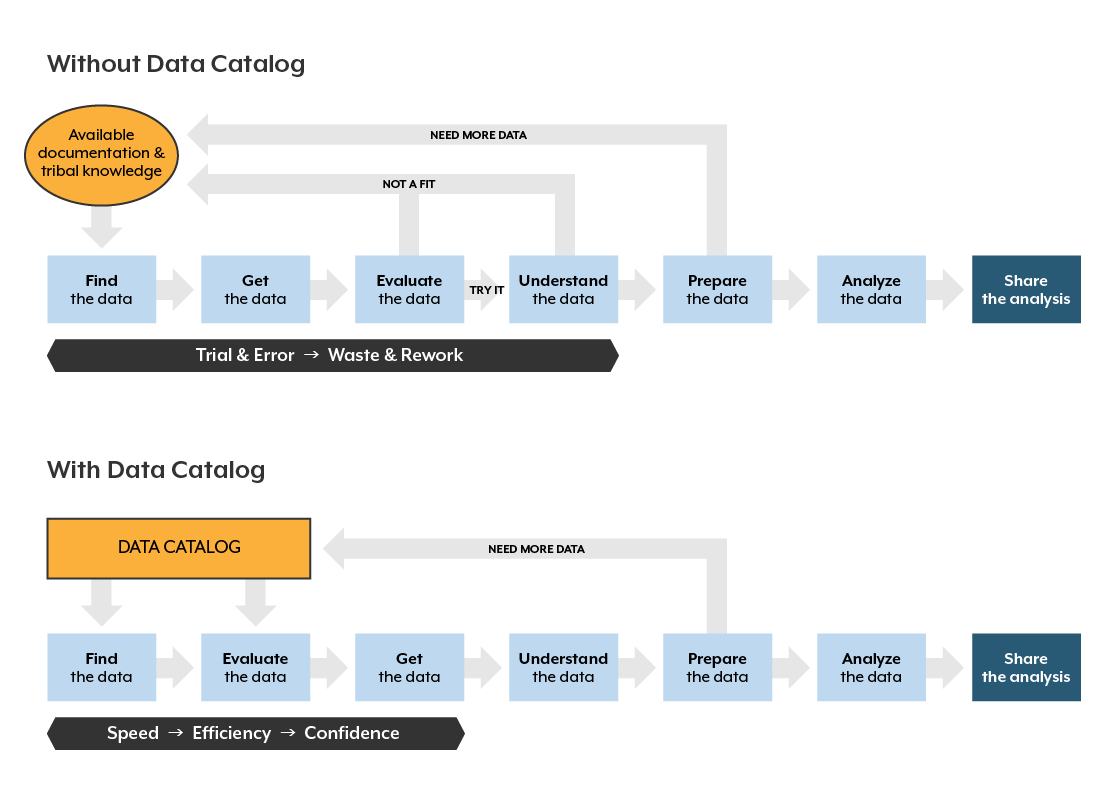
Demystifying Data Cataloging A Comprehensive Guide
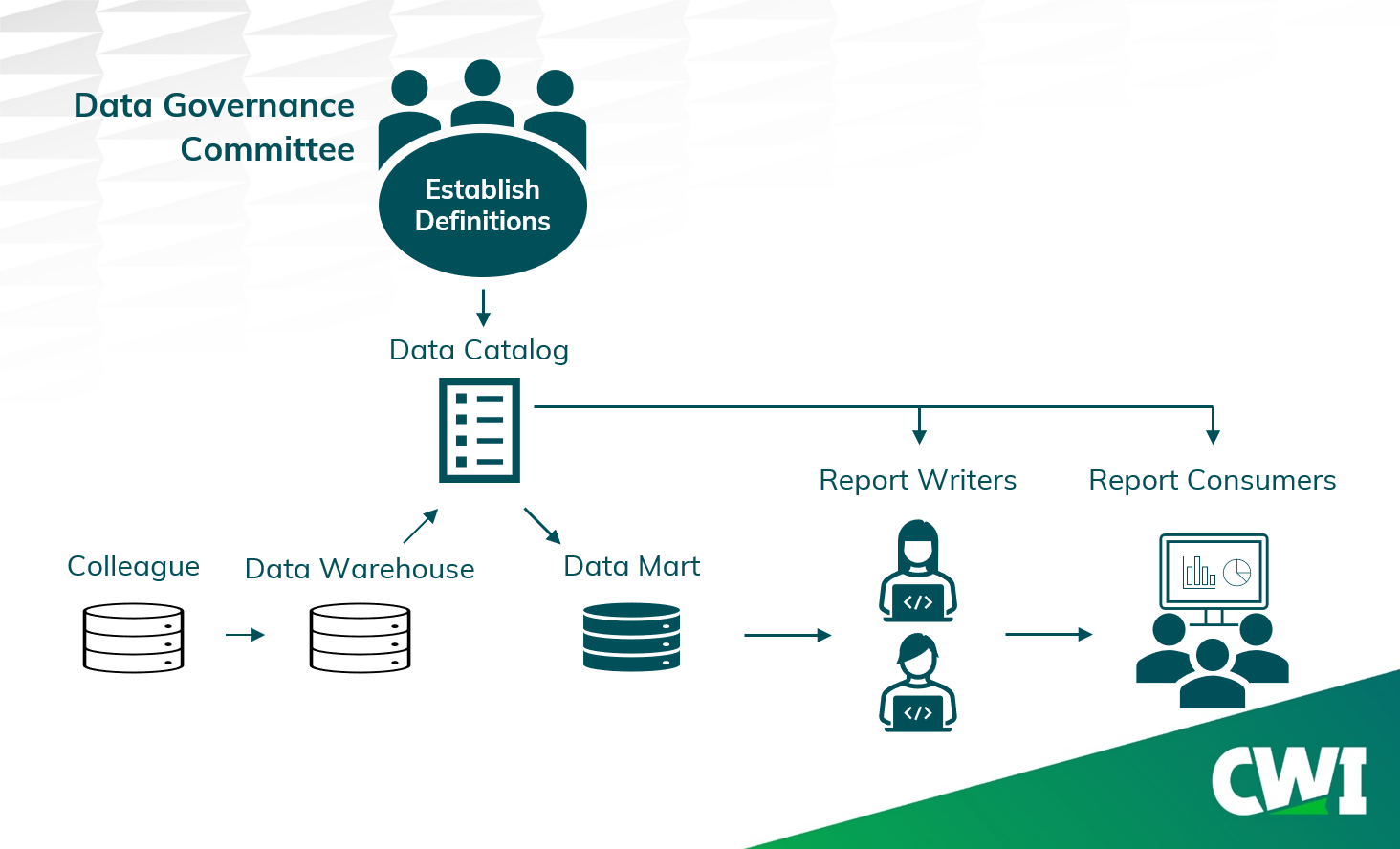
Data Governance Committee Launches CWI Enterprise Data Catalog CWI
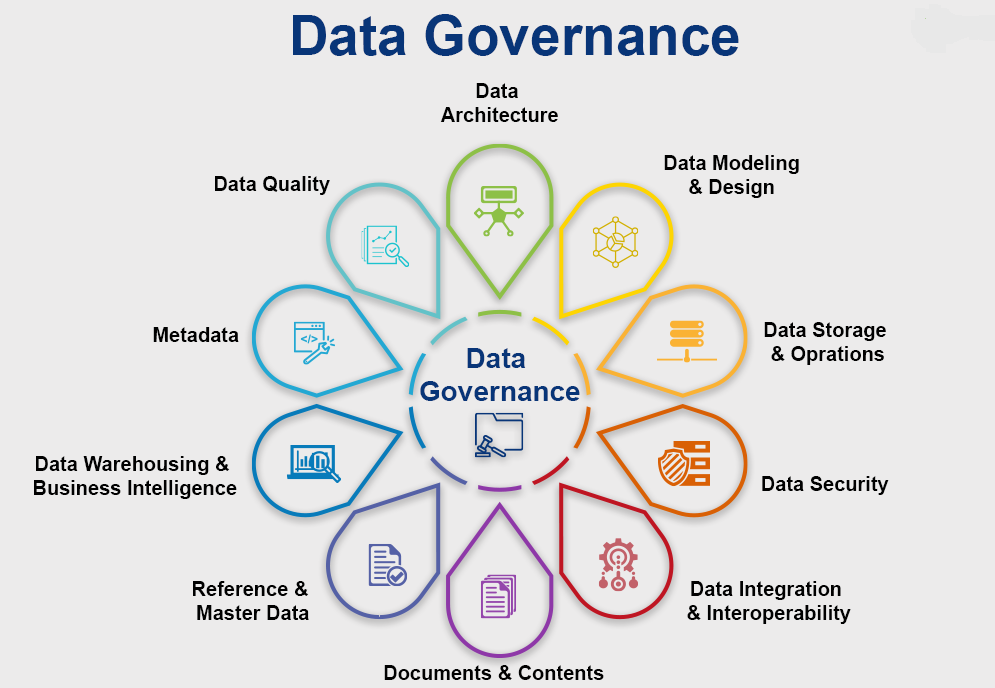
What Is Data Governance and Why Data Governance Important?
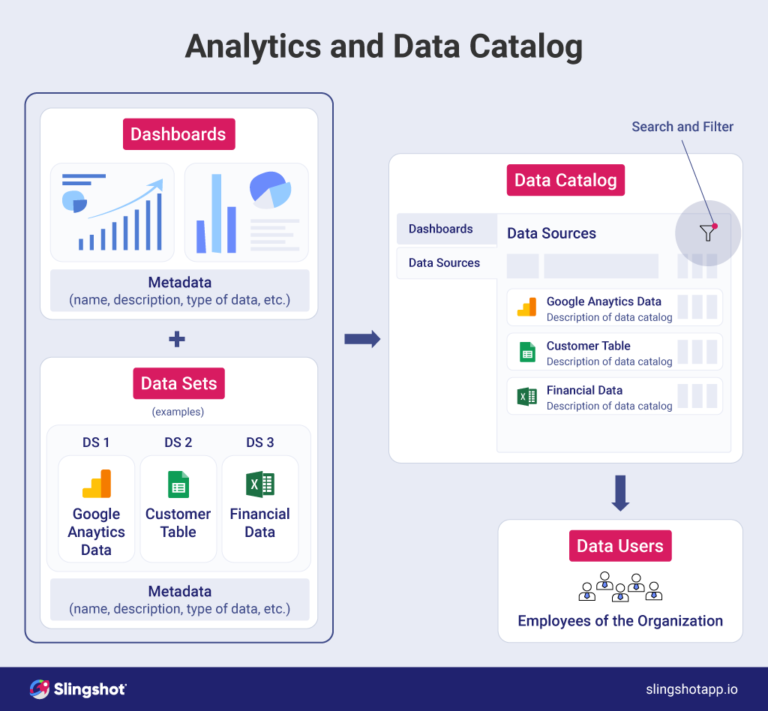
What Is A Data Catalog & Why Do You Need One?
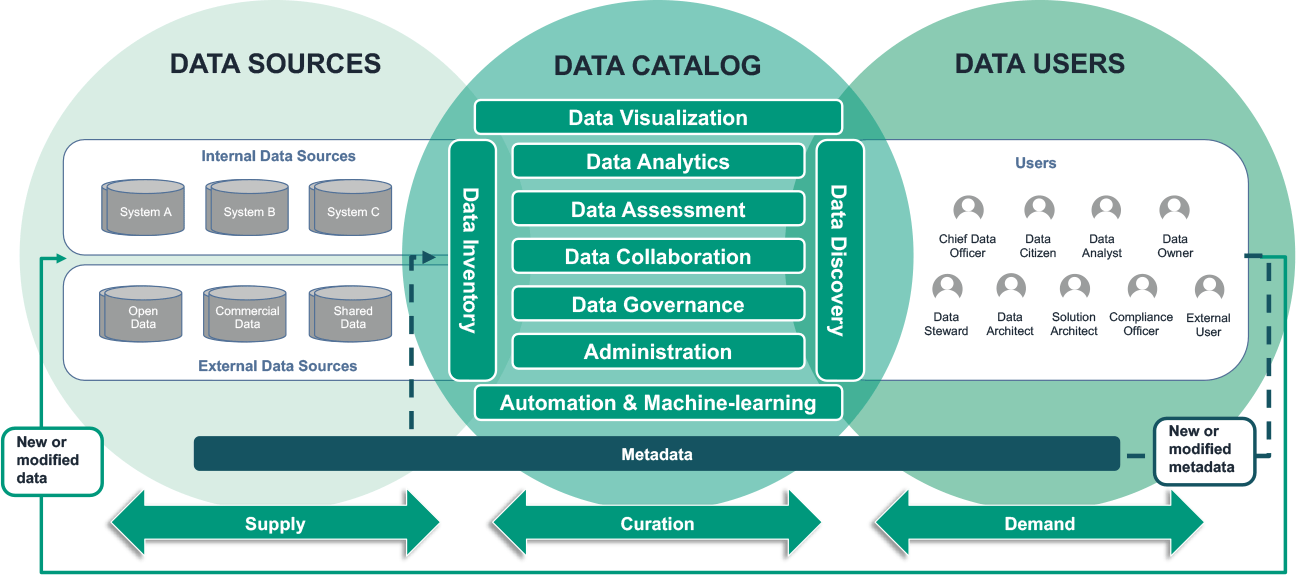
3 Reasons Why You Need a Data Catalog for Data Warehouse
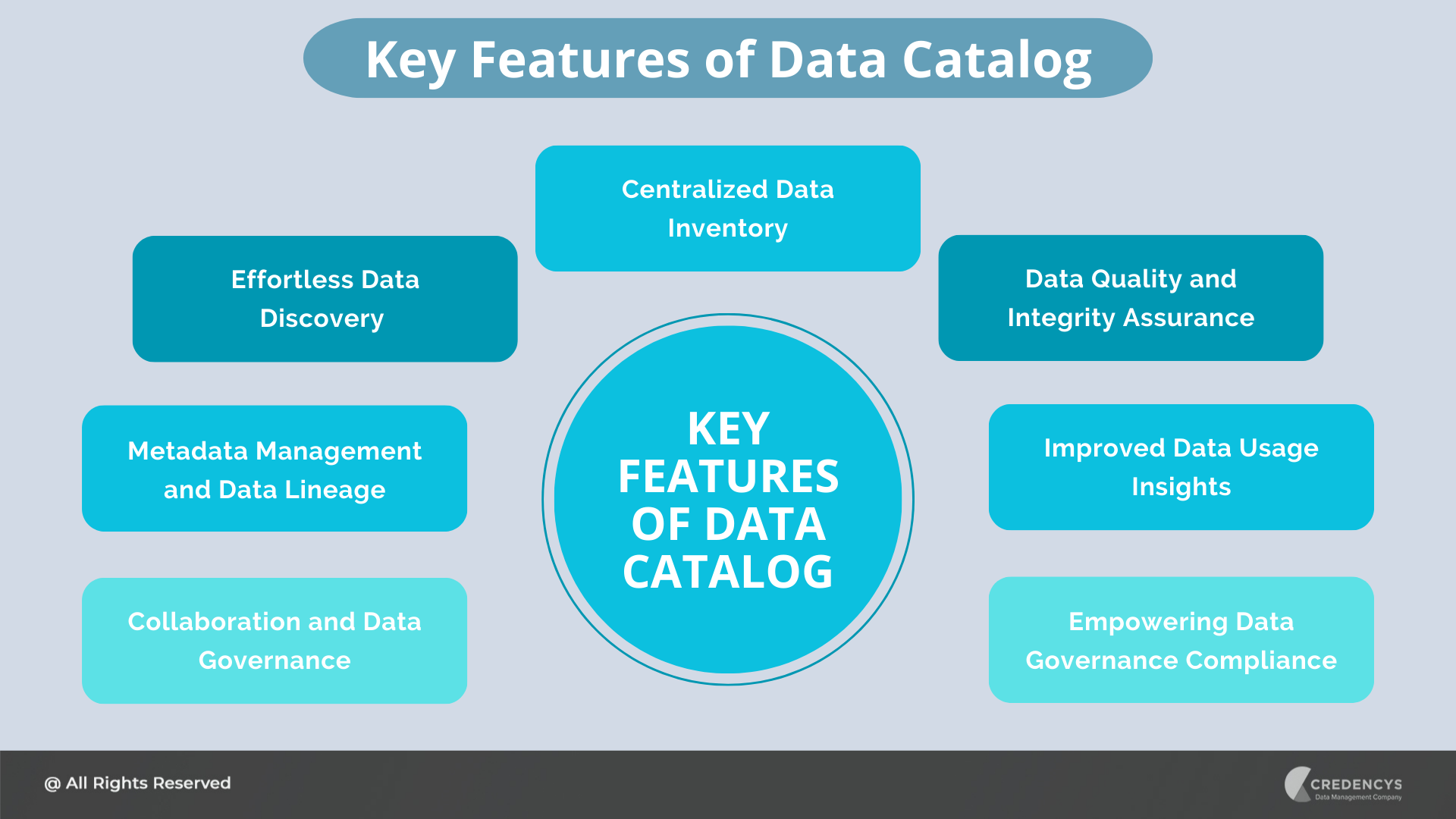
What is a Data Catalog? Definition, Benefits, Features, & More
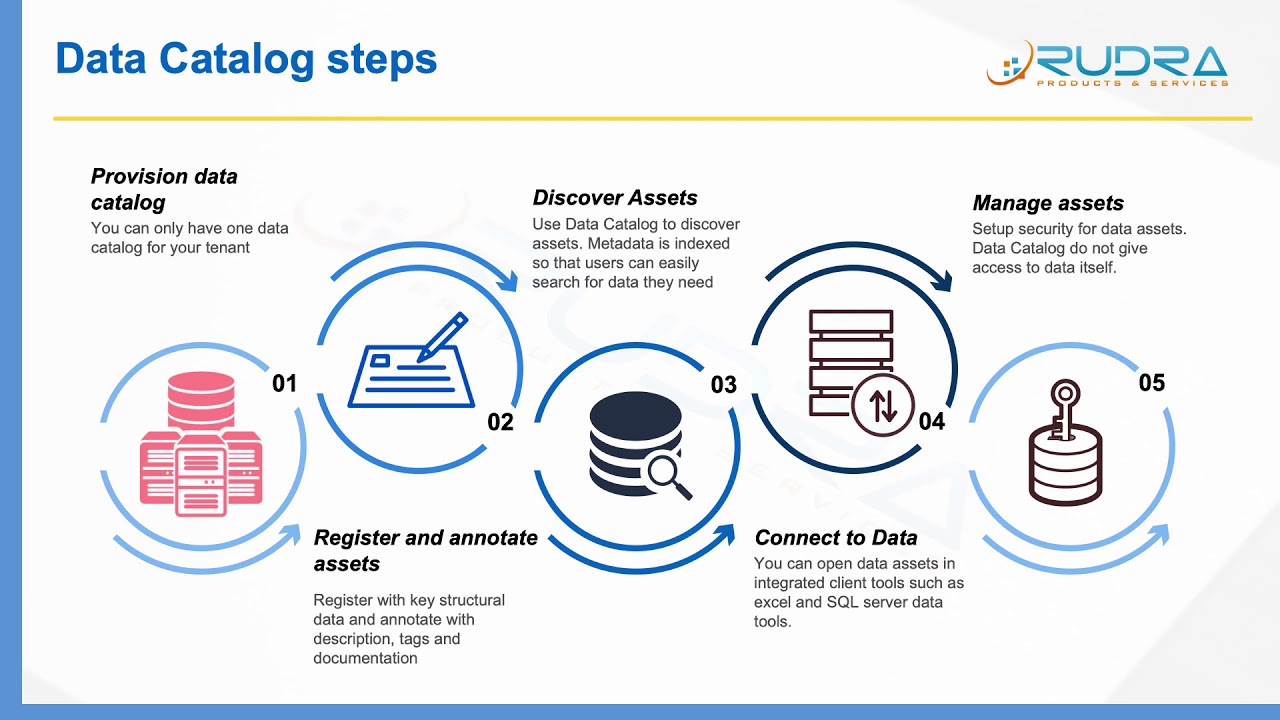
3 Reasons Why You Need a Data Catalog for Data Warehouse
Data Catalog and Data Governance How Do They Complement?
What Is A Data Catalog & Why Do You Need One?
Modern Data Governance Refers To A Framework Of Policies, Processes, Tools, And Roles That Ensure Data Is Accessible, Trustworthy, Secure,.
These Tools Help Organizations Manage Data Quality, Ensure Compliance, And Streamline Workflows.
It Is A Critical Component Of Any Data Governance Strategy, Providing Users With Easy Access To A Centralized Repository Of Information About Their Organization’s Valuable Data Assets.
How To Evaluate Data Access Governance Tools Effectively For Your Unique Use Cases # The Right Data Access Governance Tool Should Strike The Right Balance Between Security And Usability.
Related Post: