
What Is A Catalog In Music
What Is A Catalog In Music - The owner owns the copyrights of the cataloged compositions. Big loud, the label that morgan wallen calls home, has reportedly sold a minority stake in his catalog to chord music partners. When an artist decides to sell all or part of their catalog, it trades smaller paydays for a more considerable lump sum. In the music industry, a collection of musical compositions is cataloged into a music catalog. A music catalog is a comprehensive list or inventory of all the songs, compositions, recordings, and other musical works owned or controlled by a music publisher, record label,. It encompasses their entire discography, including albums, singles, and any unreleased tracks. Here’s what it means when a musician sells their music. Derenberg professor of intellectual property law, discusses why the phenomenon of song. In a q&a, jeanne fromer, vice dean of intellectual life and walter j. A thematic catalogue is an index used to identify musical compositions through the citation of the opening notes and/or main theme(s) of the work and/or of its movements or main sections. Derenberg professor of intellectual property law, discusses why the phenomenon of song. It encompasses their entire discography, including albums, singles, and any unreleased tracks. It centralizes intellectual property rights, such as. It represents their body of work and. What is a music catalog? Charlene is a multifaceted writer and pop culture enthusiast. A music catalog is critical in the music business, acting as an inventory of a collection of songs under specific ownership. In this article, we’ll dive deeper into the. Claiming that classical music deserves a prominent place in american culture merely because we want to safeguard a particular sound, style, or cultural or ethnic. In the music industry, a catalogue refers to a collection of a recording artist’s, band’s, or composer’s music works, including songs, albums, and other musical compositions. Musicians and songwriters have to manage a number of revenue streams. Put simply, a music catalog is a collection of songs, compositions, and recordings that a musician or songwriter owns the rights to. The owner owns the copyrights of the cataloged compositions. A thematic catalogue is an index used to identify musical compositions through the citation of the opening notes. What is a music catalog? They aren't limited to deals with record companies that give them royalties from album sales. When an artist decides to sell all or part of their catalog, it trades smaller paydays for a more considerable lump sum. Let’s break it down into simpler terms. What is a music catalog? It centralizes intellectual property rights, such as. It encompasses their entire discography, including albums, singles, and any unreleased tracks. Morgan wallen is making some changes. In the music industry, a collection of musical compositions is cataloged into a music catalog. Creating a music catalog is an essential step for musicians, songwriters, and producers alike, as it helps organize and protect. A music catalog refers to a collection of songs, compositions, or recordings owned by an individual or entity. Big loud, the label that morgan wallen calls home, has reportedly sold a minority stake in his catalog to chord music partners. In the music industry, a catalogue refers to a collection of a recording artist’s, band’s, or composer’s music works, including. It encompasses their entire discography, including albums, singles, and any unreleased tracks. A music catalog, in simple terms, refers to the collection of songs an artist owns. Put simply, a music catalog is a collection of songs, compositions, and recordings that a musician or songwriter owns the rights to. It centralizes intellectual property rights, such as. Let’s break it down. Musicians and songwriters have to manage a number of revenue streams. It encompasses their entire discography, including albums, singles, and any unreleased tracks. When an artist decides to sell all or part of their catalog, it trades smaller paydays for a more considerable lump sum. A music catalog can range from a few songs to thousands of tracks, and it. In this article, we’ll dive deeper into the. They aren't limited to deals with record companies that give them royalties from album sales. Her work has been featured in glamour, gq, huffpost, cbr, and more. Charlene is a multifaceted writer and pop culture enthusiast. In the music industry, a collection of musical compositions is cataloged into a music catalog. In this article, we’ll dive deeper into the. Big loud, the label that morgan wallen calls home, has reportedly sold a minority stake in his catalog to chord music partners. Charlene is a multifaceted writer and pop culture enthusiast. It centralizes intellectual property rights, such as. Northeastern professors say tax and estate planning. Big loud, the label that morgan wallen calls home, has reportedly sold a minority stake in his catalog to chord music partners. In this article, we’ll dive deeper into the. What is a music catalog? What is a music catalog? Let’s break it down into simpler terms. A music catalog, in simple terms, refers to the collection of songs an artist owns. Let’s break it down into simpler terms. John legend is the latest in a string of major artists who are cashing out for big sums by selling the rights to their songs. It centralizes intellectual property rights, such as. It represents their body of work. What is a music catalog? In this article, we’ll dive deeper into the. Derenberg professor of intellectual property law, discusses why the phenomenon of song. It represents their body of work and. Put simply, a music catalog is a collection of songs, compositions, and recordings that a musician or songwriter owns the rights to. Northeastern professors say tax and estate planning. A music catalog refers to a collection of songs, compositions, or recordings owned by an individual or entity. Let’s break it down into simpler terms. In the music industry, a catalogue refers to a collection of a recording artist’s, band’s, or composer’s music works, including songs, albums, and other musical compositions. A music catalog is a comprehensive list or inventory of all the songs, compositions, recordings, and other musical works owned or controlled by a music publisher, record label,. Morgan wallen is making some changes. The owner owns the copyrights of the cataloged compositions. A music catalog is critical in the music business, acting as an inventory of a collection of songs under specific ownership. In a q&a, jeanne fromer, vice dean of intellectual life and walter j. Charlene is a multifaceted writer and pop culture enthusiast. A music catalog can range from a few songs to thousands of tracks, and it can be a valuable asset for artists, producers, and record labels.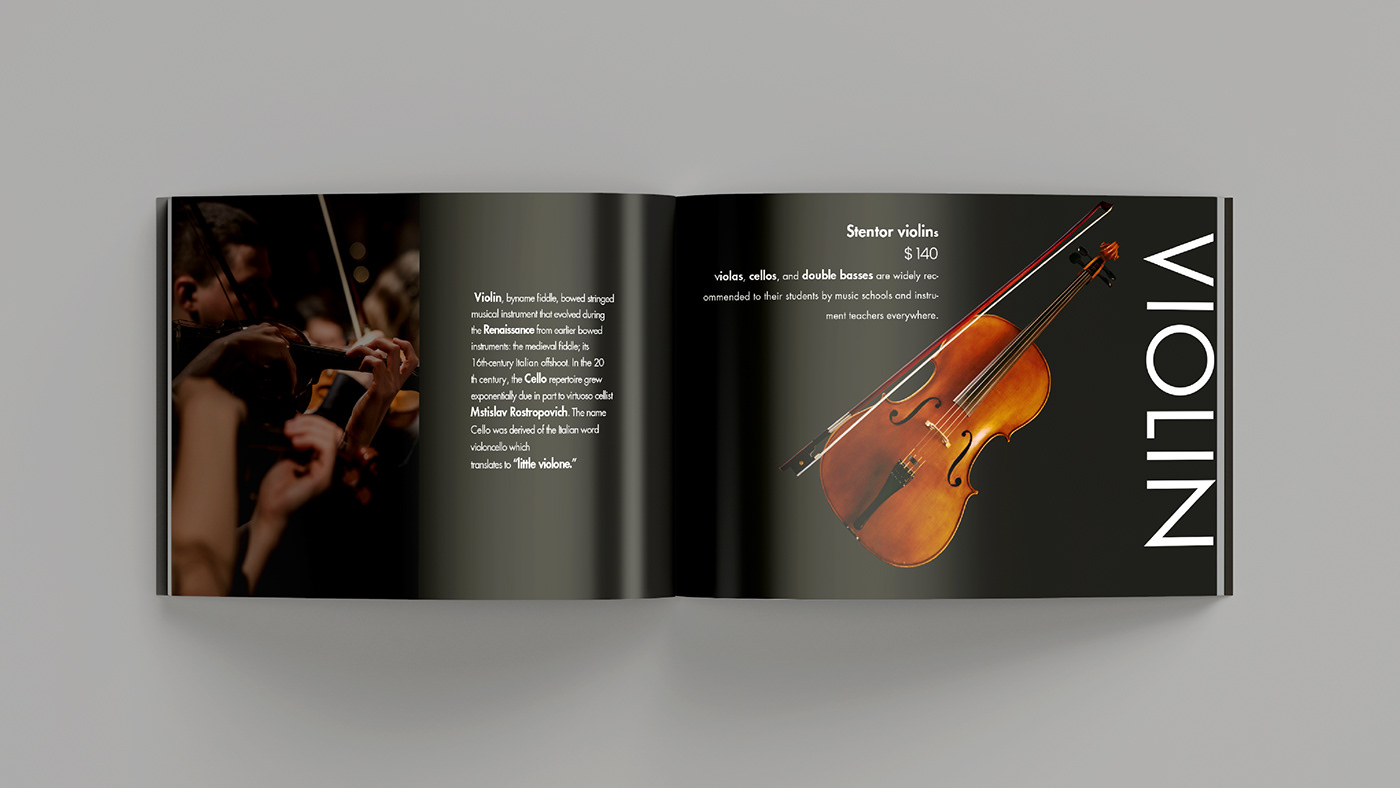
MUSICAL INSTRUMENT CATALOG /NOVA CATALOG Behance

Inside Music Catalogue Inside Music
Catalogs

Musical instruments catalog on Behance
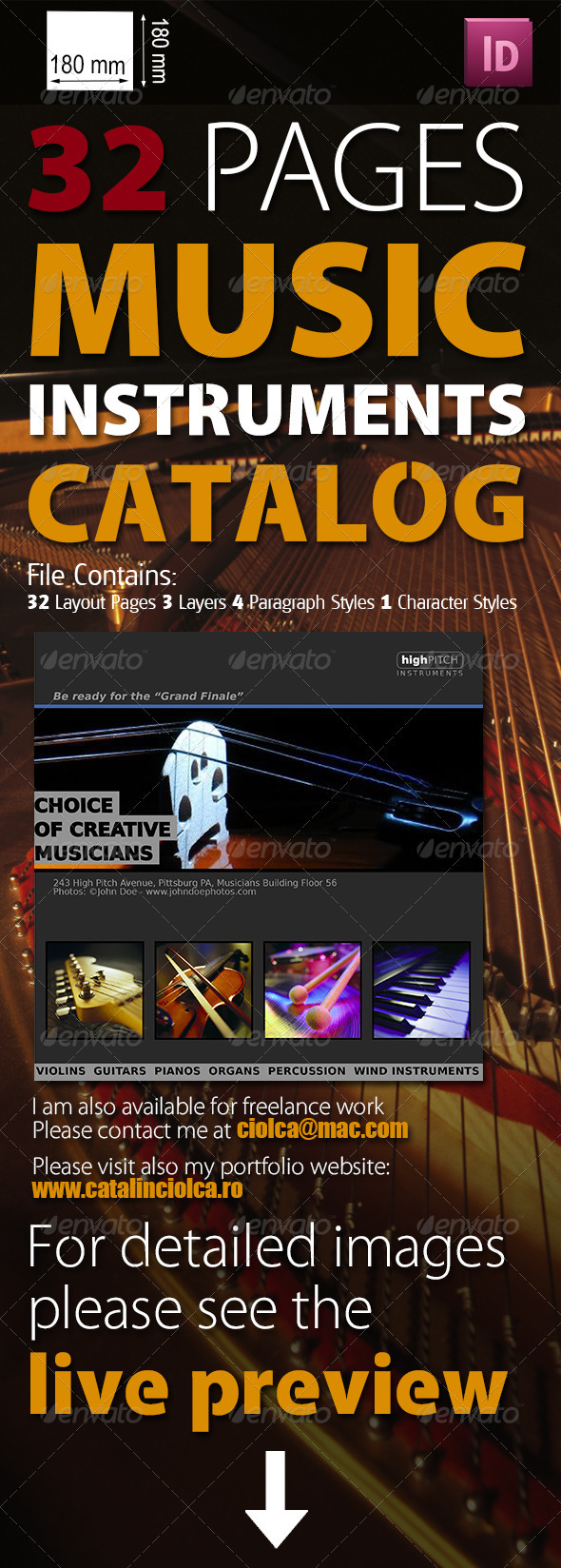
32 Pages Musical Instruments Catalog by ciolca GraphicRiver
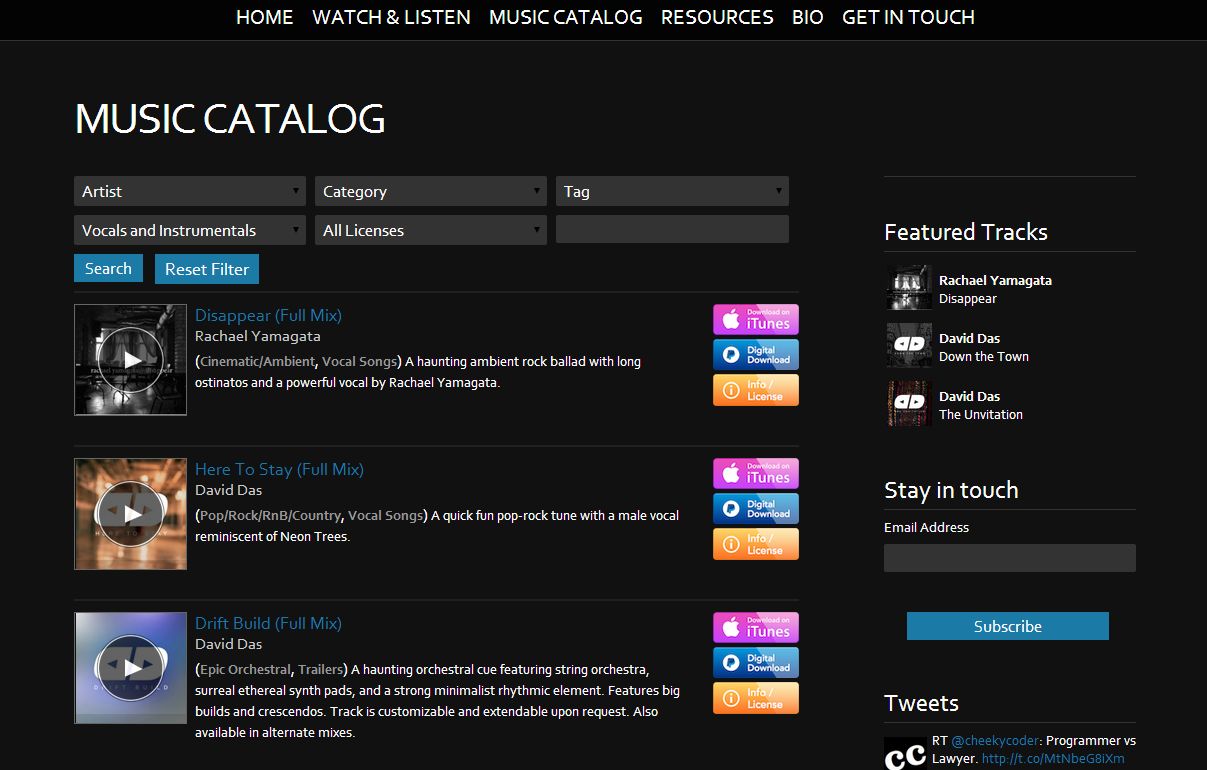
How to build a large music catalog with Views and custom search. A case
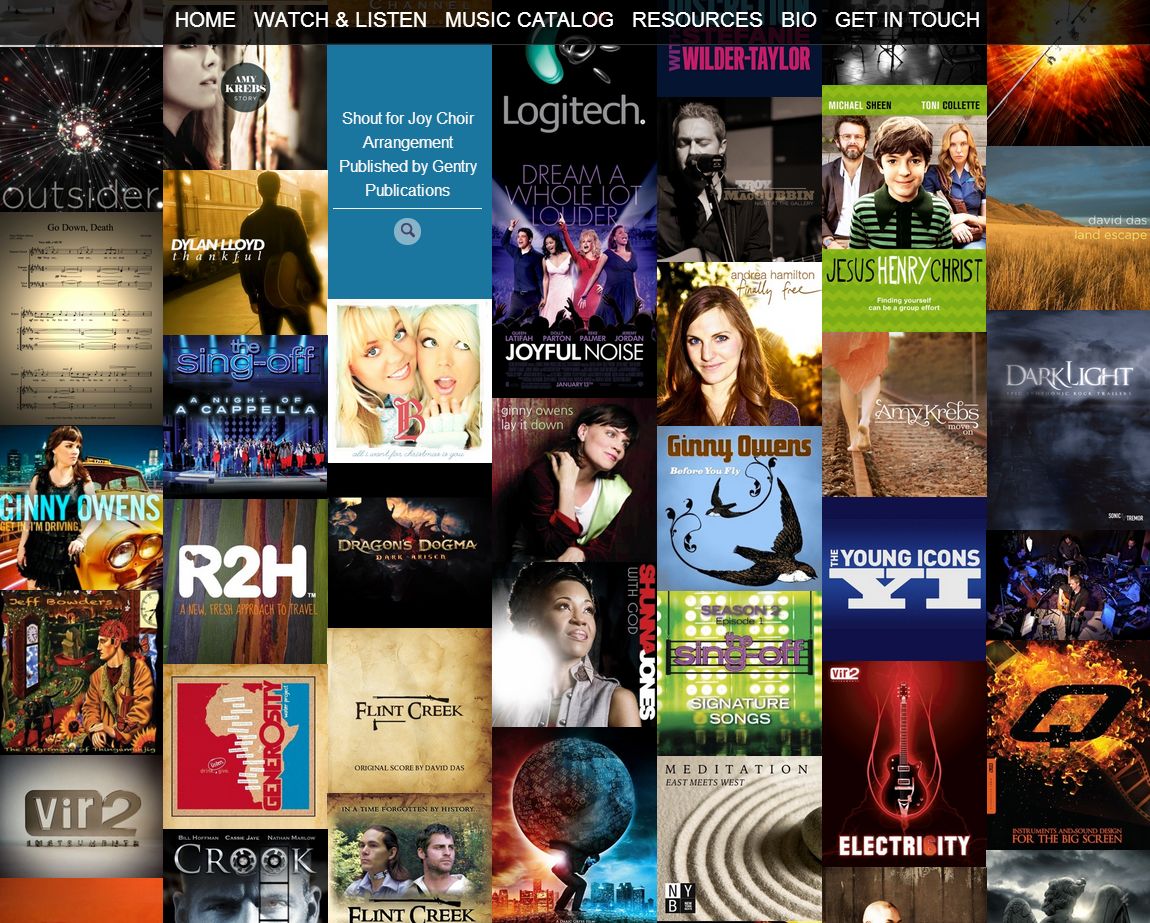
How to build a large music catalog with Views and custom search. A case
Catalog Music When Should Music Be Considered Old? Music 3.0 Music

Music and Musical Instrument Catalogs Guide to Value, Marks, History
Why are artists selling their music catalogs?
Musicians And Songwriters Have To Manage A Number Of Revenue Streams.
She Loves The Backstreet Boys,.
What Is A Music Catalog?
They Aren't Limited To Deals With Record Companies That Give Them Royalties From Album Sales.
Related Post: