
Gradle Version Catalog
Gradle Version Catalog - In order to provide a standard for managing this, the gradle team introduced version catalogs as an experimental feature in version 7.0 and promoted it to stable in version. In the world of gradle, managing dependencies and versions efficiently is crucial for any software project. In this article we will see how to use gradle’s version catalogs, which is available since gradle version 8.0. Instead of changing dozens of build.gradle(.kts) files,. You can create a shared version catalog for all modules within a project, ensuring consistent versioning and simplifying dependency management across the entire project. Gradle version catalog feature allows us to share dependencies between different projects or modules. A version catalog is a list of dependencies, represented as dependency. Gradle 7.0 introduced an incubating feature to centrally manage dependencies in your gradle project. Learn how to use gradle's version catalogs feature with buildsrc and convention plugins. Version catalogs helps to manage dependencies and plugins in scalable way. In this article, we will take a look at why we need to use this feature. It makes easier to share dependencies and plugins between modules in whole project. Instead of changing dozens of build.gradle(.kts) files,. You can create a shared version catalog for all modules within a project, ensuring consistent versioning and simplifying dependency management across the entire project. It helps keep your dependencies consistent across subprojects and avoids. Gradle version catalogs, introduced in gradle 7.0 and promoted to stable in version 7.4, offer an elegant solution to streamline dependency management. Version catalogs are selected lists of dependencies that can be referenced in build scripts using type. Gradle version catalog feature allows us to share dependencies between different projects or modules. Gradle 7.0 introduced an incubating feature to centrally manage dependencies in your gradle project. They make dependency declarations consistent and easier to manage but do not guarantee version. It helps keep your dependencies consistent across subprojects and avoids. See code snippets, links, and tips from experts and users. A version catalog is a central file that defines library versions and aliases you can use throughout your build. Version catalog allows us to handle dependency version in a. Use version catalogs for defining and sharing dependency coordinates across projects. It makes easier to share dependencies and plugins between modules in whole project. When you define your dependency versions in a single, shared version catalog, you reduce duplication and make upgrades easier. Version catalogs are selected lists of dependencies that can be referenced in build scripts using type. Instead of changing dozens of build.gradle(.kts) files,. See code snippets, links, and. Gradle 7.0 introduced an incubating feature to centrally manage dependencies in your gradle project. When you define your dependency versions in a single, shared version catalog, you reduce duplication and make upgrades easier. Learn how to use platforms to manage and enforce version consistency across different projects or libraries. See code snippets, links, and tips from experts and users. Learn. Learn how to use platforms to manage and enforce version consistency across different projects or libraries. Gradle version catalog feature allows us to share dependencies between different projects or modules. Version catalog allows us to handle dependency version in a. They make dependency declarations consistent and easier to manage but do not guarantee version. Two common approaches for this are. Learn how to use gradle's version catalogs feature with buildsrc and convention plugins. See code snippets, links, and tips from experts and users. In order to provide a standard for managing this, the gradle team introduced version catalogs as an experimental feature in version 7.0 and promoted it to stable in version. Version catalogs helps to manage dependencies and plugins. In the world of gradle, managing dependencies and versions efficiently is crucial for any software project. A version catalog is a central file that defines library versions and aliases you can use throughout your build. Version catalogs helps to manage dependencies and plugins in scalable way. It makes easier to share dependencies and plugins between modules in whole project. Learn. In this article we will see how to use gradle’s version catalogs, which is available since gradle version 8.0. Platforms can be created, imported, or published as maven boms, and can be. When you define your dependency versions in a single, shared version catalog, you reduce duplication and make upgrades easier. Instead of changing dozens of build.gradle(.kts) files,. A version. It helps keep your dependencies consistent across subprojects and avoids. Version catalogs helps to manage dependencies and plugins in scalable way. In the world of gradle, managing dependencies and versions efficiently is crucial for any software project. In this article, we will take a look at why we need to use this feature. A version catalog is a central file. A version catalog is a list of dependencies, represented as dependency. In the world of gradle, managing dependencies and versions efficiently is crucial for any software project. Gradle 7.0 introduced an incubating feature to centrally manage dependencies in your gradle project. Gradle version catalog feature allows us to share dependencies between different projects or modules. Learn how to use gradle's. Use version catalogs for defining and sharing dependency coordinates across projects. Gradle version catalogs, introduced in gradle 7.0 and promoted to stable in version 7.4, offer an elegant solution to streamline dependency management. Instead of changing dozens of build.gradle(.kts) files,. Two common approaches for this are using version catalogs and buildsrc. See code snippets, links, and tips from experts and. In order to provide a standard for managing this, the gradle team introduced version catalogs as an experimental feature in version 7.0 and promoted it to stable in version. It helps keep your dependencies consistent across subprojects and avoids. When you define your dependency versions in a single, shared version catalog, you reduce duplication and make upgrades easier. Learn how to use platforms to manage and enforce version consistency across different projects or libraries. In this article we will see how to use gradle’s version catalogs, which is available since gradle version 8.0. They make dependency declarations consistent and easier to manage but do not guarantee version. See code snippets, links, and tips from experts and users. Version catalogs are selected lists of dependencies that can be referenced in build scripts using type. A version catalog is a list of dependencies, represented as dependency. Gradle 7.0 introduced an incubating feature to centrally manage dependencies in your gradle project. Two common approaches for this are using version catalogs and buildsrc. Platforms can be created, imported, or published as maven boms, and can be. Learn how to use version catalogs to simplify dependency management in gradle builds. Gradle version catalog feature allows us to share dependencies between different projects or modules. Version catalogs helps to manage dependencies and plugins in scalable way. You can create a shared version catalog for all modules within a project, ensuring consistent versioning and simplifying dependency management across the entire project.Gradle Version Catalogs IntelliJ IDEs Plugin Marketplace
Gradle Version Catalog Simplifying Dependency Management Between

RefreshVersions ♥️ Gradle Version Catalog · Splitties/refreshVersions

Using the Gradle Version Catalog in Android projects Mohsen Mirhoseini

Gradle version catalogs for an awesome dependency management by
Gradle version catalogs for an awesome dependency management by

Migrate to Gradle version catalog and convention plugins Speaker Deck
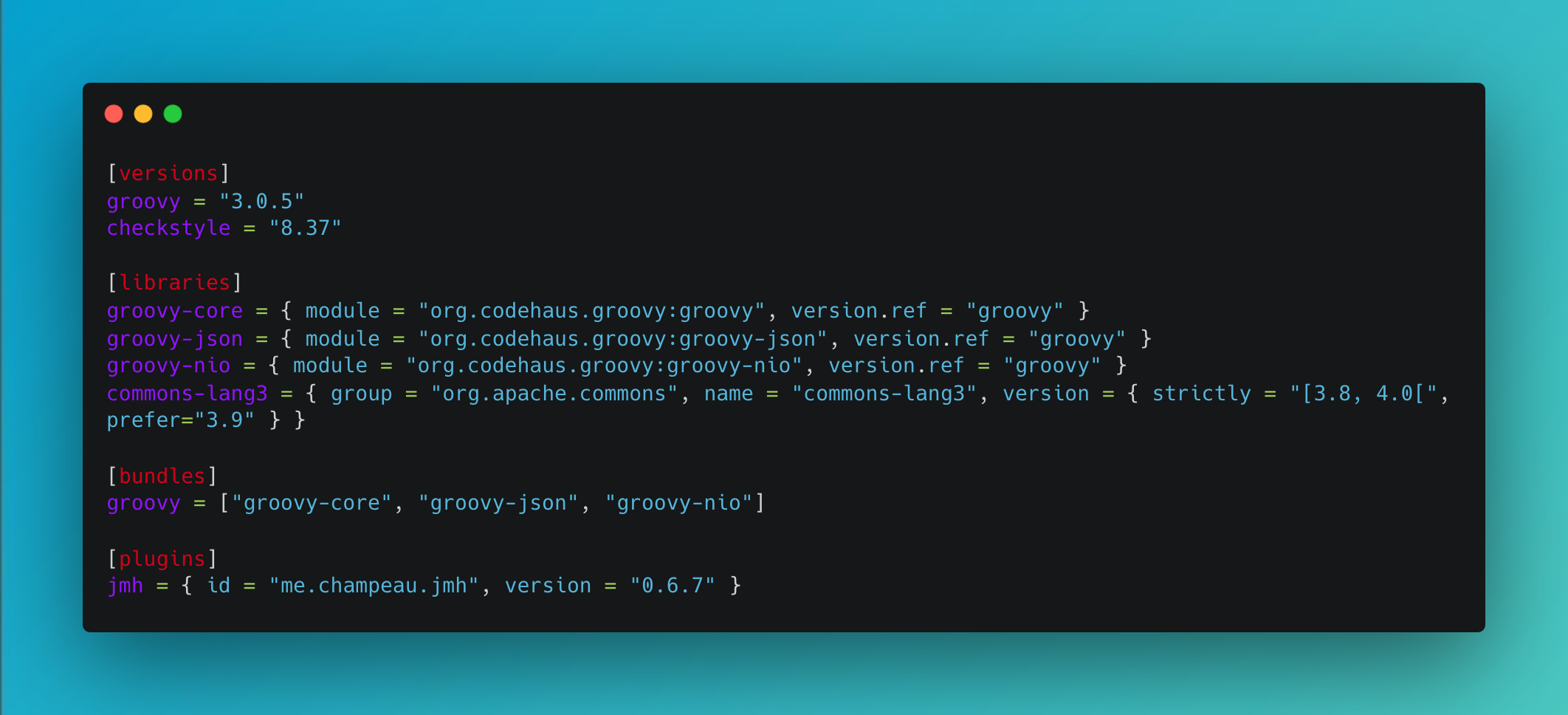
Gradle What's new in Gradle 8.0

Gradle Version Catalog Simplifying Dependency Management Between
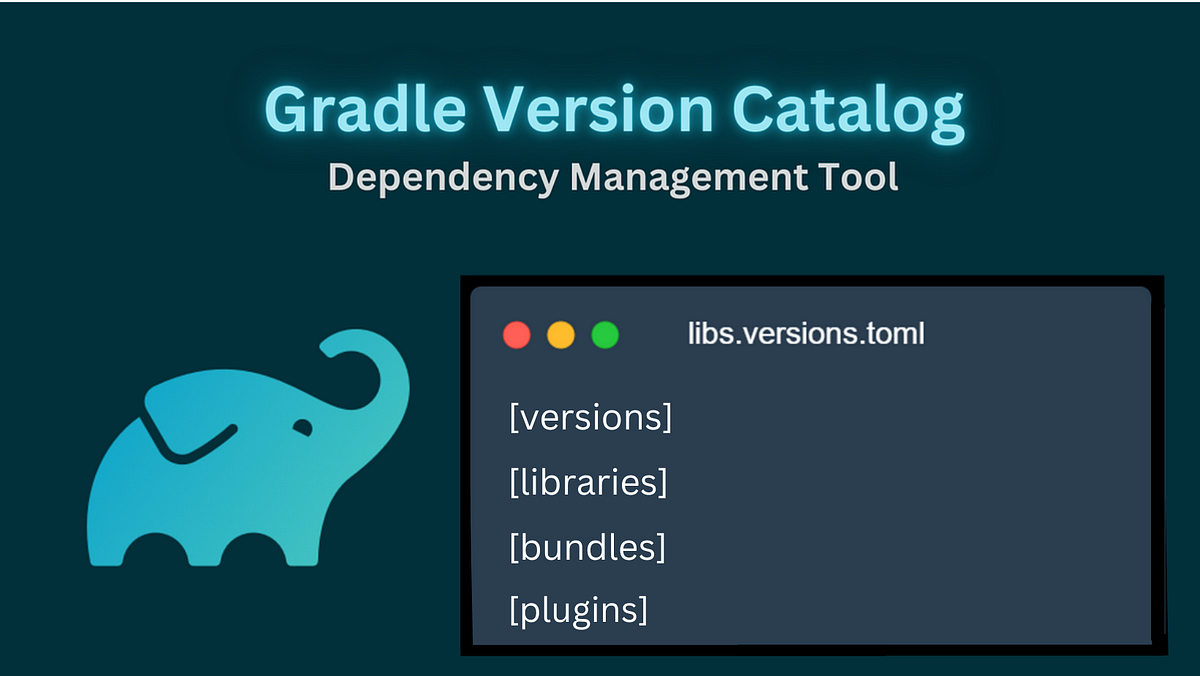
Android Gradle Version Catalog By Gopal by Gopal Medium
In This Article, We Will Take A Look At Why We Need To Use This Feature.
Instead Of Changing Dozens Of Build.gradle(.Kts) Files,.
Version Catalog Allows Us To Handle Dependency Version In A.
Use Version Catalogs For Defining And Sharing Dependency Coordinates Across Projects.
Related Post: